Social Media and the effects on mental health
Patricia Canlas
Technology surrounds almost everyone in the modern society. The use of social media can be seen as beneficial. However, it is often seen as a destructive addiction. The youth are extremely reliant towards technology and are unable to imagine a day without being surrounded by gadgets. Over the years, social media has impacted one’s mental health positively and negatively that include self-esteem, lack of sleep, and human connections.
positives of technology

- There is better connectivity
- It has paved the way for smart work and replaced harder work
- Allowed youth to prosper faster than the previous ancestors
- Can be informed about everything and anything
- Gives new ideas to other places in the world
- Open communication allows individuals to be more educated and aware to things such as LGBTQ+ community or other cultures.
symptoms of depression and anxiety
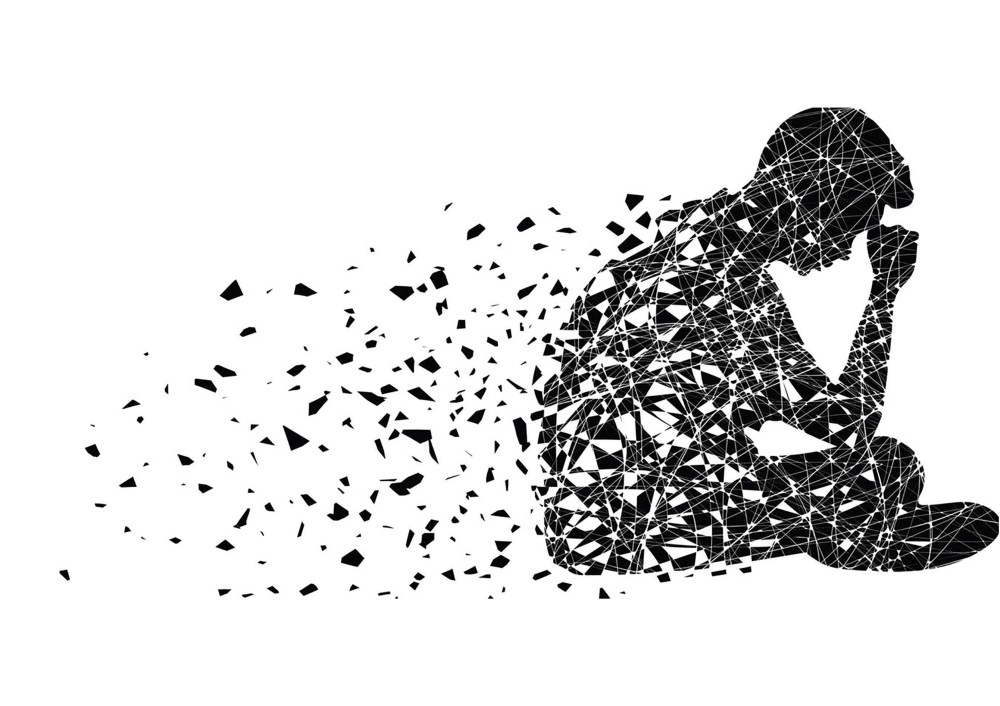
According to Katie Hurley some symptoms of having depression include:
- Significant weight loss when not dieting or significant weight gain
- Insomnia or hypersomnia nearly every day
- Psychomotor changes (agitation or retardation)
- Fatigue or loss of energy
- Feelings of worthlessness or excessive guilt
- Feelings of hopelessness or helplessness
- Diminished ability to think, concentrate, or make decision nearly every day
- Recurrent thoughts of death or recurrent suicidal ideation (with or without a plan)
- Symptoms cause significant distress in social, occupational, or other areas of functioning (Hurley).
negatives of technology

- Misuse of information and time
- Emission of radiation the affects the young and vulnerable body
- Can be used to “catfish” or fake lifestyles
- In the future, social interactions will be awkward, and people will become introverts
- Focus’ mainly on the aspect of likes, followers and physical appearance
- Made people lazy
- Excessive exposure to unnecessary social conflicts
- Cyber bullying
- Self-esteem lowers
- Loss of more sleep and attention spans
how is social media affecting self-esteem?
As we all have insecurities, some speak about those openly while some would rather keep it to themselves. Regardless, comparing oneself by others aesthetically pleasing Instagram photos or keeping up to date on who is in a relationship could lower self-confidence and increase self-doubt. Most teens have access to social media and it starts younger each year as time evolves. This then creates the foundation of mental health issues; “A study conducted by the University of Copenhagen found that many people suffer from ‘Facebook envy‘, with those who abstained from using the popular site reporting that they felt more satisfied with their lives” (Barr). What people do not notice is that the internet is where people post their greatest achievements. Therefore meaning, individuals only see the good and compare the unrealistic to their flawed lives.
On the positive side, when others post about their accomplishments it might motivate a person to strive and overcome obstacles to do better. It can be seen as a sense of friendly competition in which both parties will engage in doing their finest work. This will then create a healthier future for satisfactory outcomes.
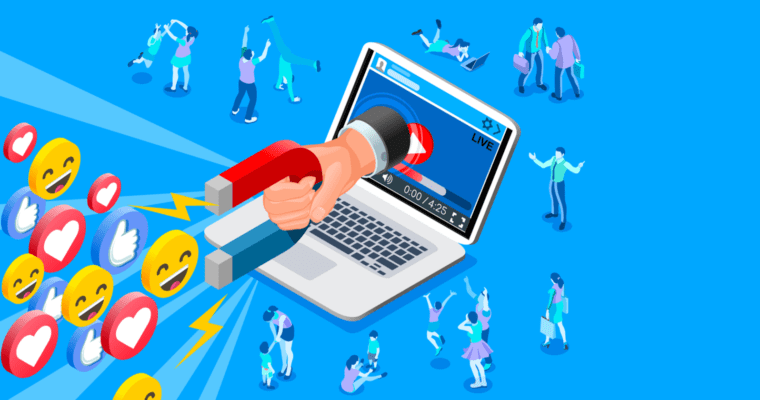
“When we derive a sense of worth based on how we are doing relative to others, we place our happiness in a variable that is completely beyond our control,” Dr Tim Bono, author of When Likes Aren’t Enough explained in Healthista. (Barr). Society likes to show the world that they are joyful, when in reality they are not. The internet is a source that people can hide behind to hide their problems. In the end, social media is set as competition on whose life is better which will cause varities of mental health.
Lack of sleep with socials

“Getting worked up with anxiety or envy from what we see on social media keeps the brain on high alert, preventing us from falling asleep,”
(Barr).
As simple as it may seem, sleeping is difficult when deep thoughts come to mind. In addition, there are many aspects that millennials not only need but want to catch up on. For instance, trends on Tiktok dances, who won the championship, or even binge-watching a tv series that everyone is talking about. “The light from our mobile device just inches from our face can suppress the release of melatonin, a hormone that helps us feel tired” (Barr). As a result, this is one of the causes of sleep deprivation. To conclude, social media can be harsh for a younger audience because of the importance of their development.
Human Connects Through the Internet
Numerous people tend to spend hours checking useless materials such as views, likes, and statuses that they forget to simply talk to people who are right in front of them. People use the internet as a way to hide from reality, to fit in with others in order to relate with them. It can be difficult to determine types of expression through a device. Moreover, “it puts everybody in a nonverbal disabled context, where body language, facial expression, and even the smallest kinds of vocal reactions are rendered invisible” (Child Mind Institute). All in all, it is perceived as a negative aspect because it disconnects humans from the physical world that they’re living in.
“Stina Sanders, a former model who has 107,000 followers on Instagram, explained how social media sometimes makes her feel like she’s being left out.” (Barr). This is to show that even people in high numbers, that are still considered low in society, are facing the same problems as any regular teenager. Social media puts people in a position to make them feel like they are and will never be good enough. To end, communication through the internet is helpful. However, when a real life situation comes, people may not know how to act when interacting with others.
Conclusion
Self-esteem, lack of sleep and human connection have greatly influenced both positive and negative factors since social media has developed. What individuals see on social media is usually admirable skills one has achieved. With the world only showing those aspects, it creates those unrealistic features to be compared with real ones. In addition, with students being sleep deprived on catching up with the daily news, it affects their well-being. Lastly, human communications through the internet may be beneficial. However, it acts as interference from the real world. All in all, ironically, technology was made to come in contact with those who are out of reach. However today, society takes advantage of it and uses it in unnecessary ways. Do not use social media to impress people. Use social media to impact others.
Works cITED Page
Barr, Sabrina. “Six Ways Social Media Negatively Affects Your Mental Health.” Independant, 10 Oct. 2019, http://www.independent.co.uk/life-style/health-and-families/social-media-mental-health-negative-effects-depression-anxiety-addiction-memory-a8307196.html. Accessed 7 Jan. 2020.
Child Mind Institute. “How Using Social Media Affects Teenagers.” Edited by Rachel Ehmke. Child Mind Institute, childmind.org/article/how-using-social-media-affects-teenagers/. Accessed 7 Jan. 2020.
Hunt, Melissa G. “Social Media Use Increases Depression and Loneliness.” Penn Today, Melissa G. Hunt, penntoday.upenn.edu/news/social-media-use-increases-depression-and-loneliness . Accessed 12 Jan. 2020.Hurley, Katie, and LCSW. “Social Media and Teens: How Does Social Media Affect Teenagers’ Mental Health.” PSYCOM, Remedy Health Media, 7 Mar. 2019, http://www.psycom.net/social-media-teen-mental-health. Accessed 7 Jan. 2020.
Hurley, Katie, and LCSW. “Social Media and Teens: How Does Social Media Affect Teenagers’ Mental Health.” PSYCOM, Remedy Health Media, 7 Mar. 2019, http://www.psycom.net/social-media-teen-mental-health. Accessed 7 Jan. 2020.
 Social Media